
Title and statement of responsibility area
Titel
Algemene aanduiding van het materiaal
Graphic material
Parallelle titel
Overige titelinformatie
Title statements of responsibility
Titel aantekeningen
- Source of title proper: Title based on contents of file
Beschrijvingsniveau
referentie code
Editie
Edition statement of responsibility
Statement of scale (cartographic)
Statement of projection (cartographic)
Statement of coordinates (cartographic)
Statement of scale (architectural)
Issuing jurisdiction and denomination (philatelic)
Datering archiefvorming
Datum(s)
-
[196-] (Vervaardig)
- Vervaardig
- Anthony Carter
Fysieke beschrijving
Fysieke beschrijving
25 photographs : col. slides ; 35 mm
Publisher's series area
Title proper of publisher's series
Parallel titles of publisher's series
Other title information of publisher's series
Statement of responsibility relating to publisher's series
Numbering within publisher's series
Note on publisher's series
Archivistische beschrijving
Naam van de archiefvormer
Biografie
Anthony Lawrence Carter, the late author, publisher and photo-journalist, was born on October 22, 1920 in Somerset, England. He and his family emigrated to Wallaceburg, Saskatchewan in 1926 and later moved to Goodsoil, Saskatchewan . The Carter family leased an acre on Lac des Isles where they farmed for a living. In 1938, Carter purchased his first camera and learned how to develop his own pictures using an old developer and instructions from a Kodak booklet. In 1939, he applied to the Royal Canadian Air Force and was accepted a year later. He continued with the RCAF and the British Institute of Sciences and Engineering until he was discharged in 1945. Following his time in the Air Force, Carter held his first public exhibit in Ontario of images he had taken across Canada. He also spent time at the First Nations village in Fort Ruper t where he began building a collection of his own photographs of the community. In 1948, Carter began working for MacKenzie Barge & Derrick as a shipwright where he took his first commercial photograph and began selling prints widely. In 1951, he decided to go into child photography, which he did exclusively for three years. Carter was also an active photo-journalist in the marine and logging fields, which led to his contributions to journals such as Western Fisheries, Canadian Truck Logger and The British Motor Journal.
While photography was Carter’s main source of income during the 1950s, he also spent his summers fishing to make a living. Around 1960, Carter purchased a 60 foot fish packer, the Wamega. He was based in Klemtu at this time and collected the history and legends of the Kynoc and Kit-is-tu people, which appeared in his first book. Carter’s publications, which include This is Haida (1969), Somewhere Between (1968), From History's Locker (1968), Wamega (1960s), and Abundant Rivers (1972), were directly inspired by First Nations people and their culture. He also wrote a book called Snowshoeing for Everyone (1975). Carter was a poet and accompanied his photos with his own text. Additionally, he undertook all aspects of designing his books for publication. Carter also worked with the National Museum of Ethnology in Osaka, Japan to develop its Northwest Coast collection, and was a consultant to the Museum of Anthropology in Vancouver, B.C.
Geschiedenis beheer
Bereik en inhoud
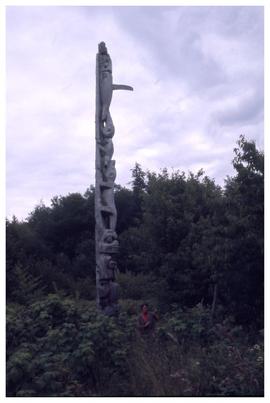
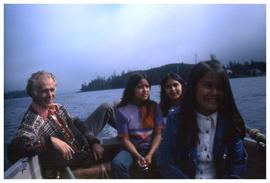
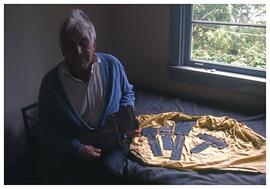
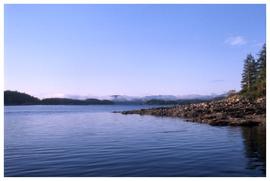
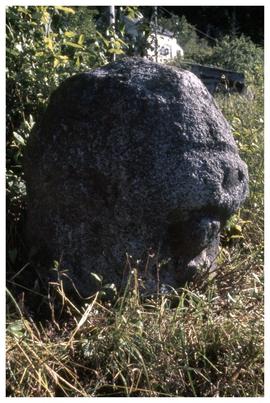
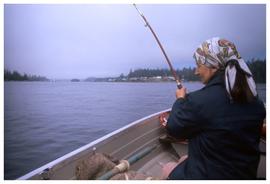
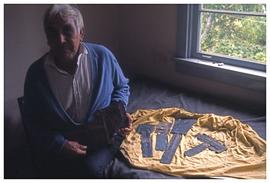
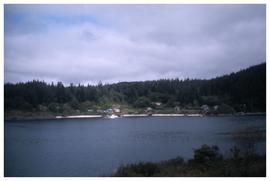
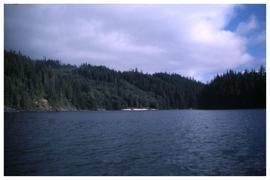
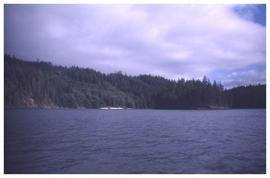
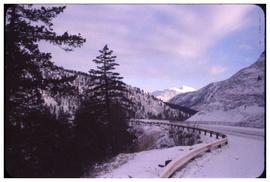
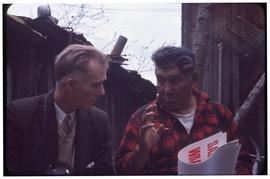
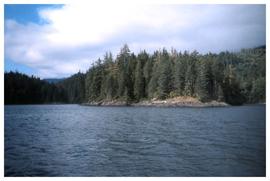
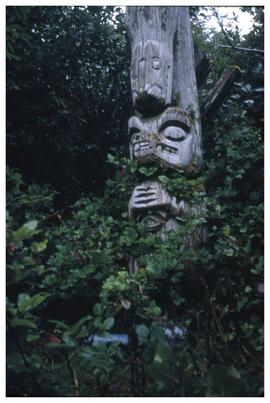
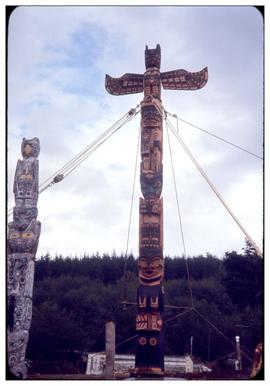
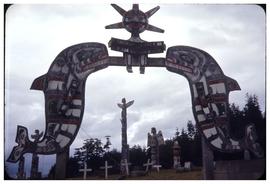
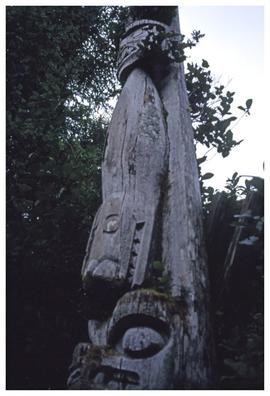
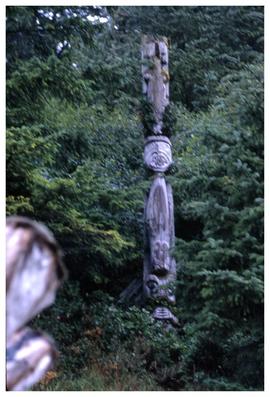
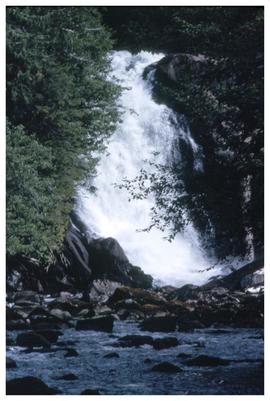
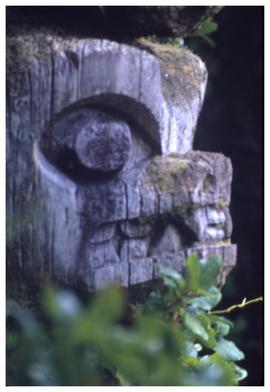
File consists of slides with images from various places and people in British Columbia. Some are identified.